
Breathing Easier: Understanding Pulmonary Arterial Hypertension (PAH)
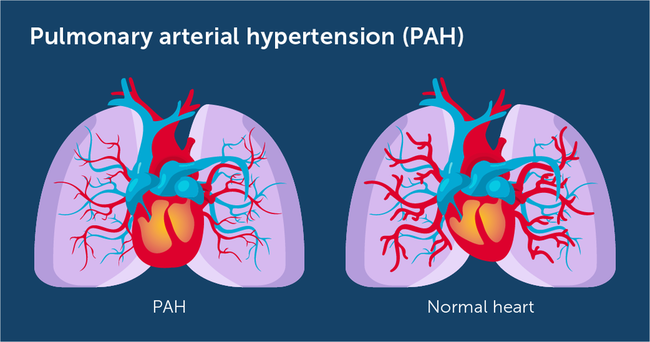
Pulmonary Arterial Hypertension (PAH) is a specific and rare form of high blood pressure that occurs in the arteries connecting the heart to the lungs. Unlike “regular” systemic high blood pressure, PAH focuses on the right side of the heart, requiring a specialized approach to protect the cardiovascular system and restore energy levels.
The Physiology of Pressure and Resistance
The root of TD lies in how the brain adapts to medication. When drugs block dopamine receptors for a long period, the brain In a healthy body, the right side of the heart pumps blood through the lungs with very little resistance. In PAH, the walls of the pulmonary arteries become thick, stiff, or narrowed, forcing the heart to work much harder to move blood through.
- The Right Heart Strain: Because the right ventricle is built for “volume” rather than “high pressure,” the extra effort required to push blood through narrowed vessels can cause the heart muscle to weaken or enlarge over time.
- Reduced Oxygen Exchange: Narrowed arteries mean less blood reaches the air sacs in the lungs. This leads to the hallmark symptom of PAH: shortness of breath, even during simple tasks like walking or climbing stairs.
- Vascular Remodeling: PAH is often a progressive condition where the cells lining the arteries grow excessively. Modern treatments focus on stopping or reversing this “remodeling” to keep the passages open.
Targeted Pathways for Treatment
In 2026, we have identified three specific biological pathways that control how pulmonary arteries relax and contract. Most modern therapies are designed to target one or more of these “roads” to lower pressure.
- The Nitric Oxide Pathway: Medications that boost nitric oxide help the smooth muscles in the arteries relax, allowing for better blood flow and lower resistance.
- The Prostacyclin Pathway: Prostacyclin is a natural substance that keeps blood vessels open and prevents clotting. Treatments that mimic or increase prostacyclin are often used to manage more advanced cases.
- The Endothelin Pathway: Endothelin is a substance the body produces to constrict blood vessels. “Endothelin receptor antagonists” block this action, preventing the arteries from narrowing too much.
Living and Thriving with PAH
Because PAH affects physical stamina, lifestyle management is centered on “oxygen conservation” and protecting the heart from unnecessary stress.
- Sodium Management: Excess salt causes the body to retain fluid, which increases the volume of blood the heart has to pump. A low-sodium diet is a critical “non-drug” therapy for PAH.
- Supervised Exercise: While heavy lifting is often discouraged, “pulmonary rehabilitation”—specifically tailored, low-impact aerobic activity—helps the muscles become more efficient at using the oxygen they do receive.
- Avoiding Triggers: Factors that constrict blood vessels, such as smoking, high altitudes (low oxygen), or certain over-the-counter decongestants, can cause sudden spikes in pulmonary pressure and should be managed carefully.
Final Thoughts
PAH was once considered a very difficult condition to manage, but the last decade has seen a surge in “combination therapies” that use multiple drugs to attack the disease from different angles. Today, the goal is not just survival, but maintaining an active, high-quality life. By staying consistent with your medical regimen and monitoring your “exercise tolerance,” you can take the pressure off your heart and breathe more freely.