
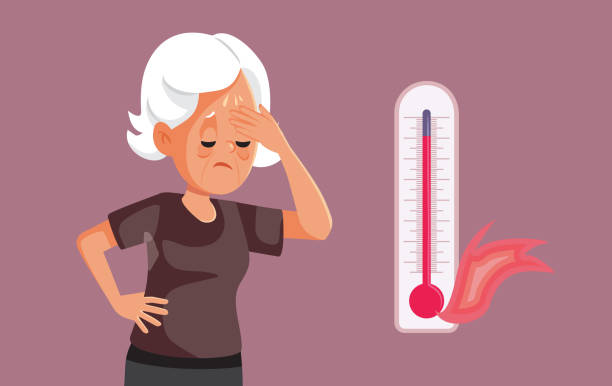
Cooling the Surge: Navigating Hot Flashes and Night Sweats
Hot flashes are more than just a sudden feeling of warmth; they are a complex biological response triggered by the body’s internal thermostat. Whether caused by menopause, medication side effects, or other health conditions, understanding how to “cool the surge” can significantly improve daily comfort and sleep quality.
The Science of the “Internal Thermostat”
Hot flashes, or vasomotor symptoms, occur when the brain’s temperature-regulating center—the hypothalamus—becomes oversensitive. Even a tiny rise in body temperature can trigger a massive cooling response, resulting in a sudden rush of heat and sweating.
- The Estrogen Connection: In menopause, dropping estrogen levels disrupt the signals to the hypothalamus, causing it to “misfire” and think the body is overheating when it isn’t.
- Adrenaline Spikes: Many people experience a “flush” followed by a rapid heartbeat and a surge of anxiety; this is caused by a sudden release of stress hormones during the episode.
- The Chill Aftermath: Once the blood vessels near the skin dilate to release heat, the body often overcompensates, leading to intense chills or shivering immediately following the flash.
Modern Medical Interventions
In 2026, the options for managing hot flashes have expanded beyond traditional hormone therapy, offering relief to those who cannot or choose not to take estrogen.
- Hormone Replacement Therapy (HRT): Still considered the gold standard for many, HRT stabilizes hormone levels to prevent the hypothalamus from misfiring.
- NK3 Receptor Antagonists: Newer non-hormonal drugs (like fezolinetant) specifically target the neurons in the brain that trigger hot flashes, providing relief without affecting hormone levels.
- Low-Dose Antidepressants: Certain SSRIs and SNRIs are FDA-approved to help regulate the neurotransmitters involved in temperature control, often reducing flash frequency by 50% or more
Lifestyle and Environmental Resilience
While medicine targets the internal cause, environmental and lifestyle “hacks” are essential for managing the immediate impact of a flash and preventing triggers.
- Strategic Layering: Wearing “breathable” natural fibers like cotton or silk allows you to shed layers quickly at the first sign of a surge.
- The Power of Cooling Tools: Utilizing portable fans, “cooling pillows,” and even drinking ice water can help manually override the body’s perceived heat.
- Trigger Identification: For many, specific substances like caffeine, alcohol, or spicy foods act as “thermal triggers” that set off the hypothalamic response. Keeping a “flash diary” can help identify your specific patterns.
Final Thoughts
Hot flashes can feel like they are in control of your day, but they don’t have to be. By combining modern medical advancements with smart environmental adjustments, you can dampen the intensity of these surges. If hot flashes are disrupting your sleep or work, remember that this is a recognized medical condition with effective treatments—you don’t have to “just tough it out.”