
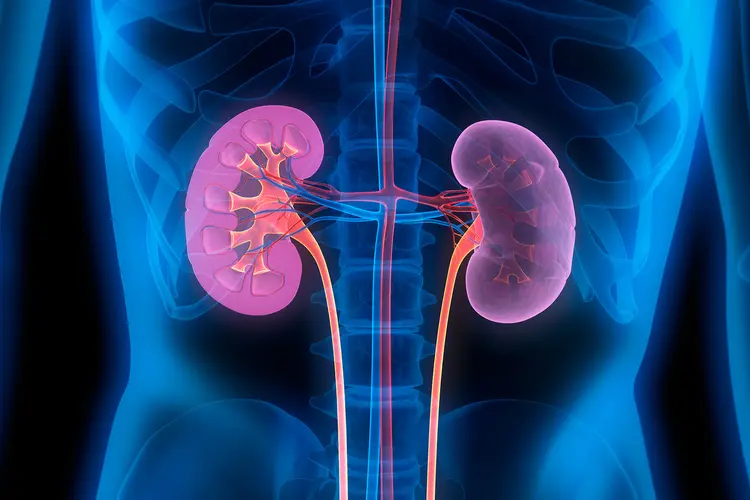
Guarding the Filters: Navigating Chronic Kidney Disease
In 2026, the approach to Kidney Disease has shifted from “watching and waiting” to proactive, aggressive protection. Your kidneys are the body’s sophisticated filtration system, processing about 200 quarts of blood daily. When this system is compromised, it affects everything from your red blood cell count to your heart health. The goal of modern care is to preserve every bit of remaining function through “smart” medications and precision monitoring.
The Power of “Cardiorenal” Protection
The heart and kidneys are deeply interconnected; what is good for one is almost always good for the other. In 2026, a new class of “foundational” therapies is being used to lower the pressure inside the kidney’s delicate filters (glomeruli).
- SGLT2 Inhibitors (“Flozins”): Originally for diabetes, these are now a “gold standard” for nearly all CKD patients. They help the kidneys flush out excess sugar and salt, which reduces the internal “bursting pressure” that leads to scarring.
- RAS Inhibitors (ACEs and ARBs): These stay as the frontline defense for blood pressure. By relaxing the blood vessels leading away from the kidney, they prevent the “bottleneck” effect that causes damage.
- Finerenone (ns-MRA): A newer type of medication that specifically blocks a protein responsible for inflammation and fibrosis (scarring) in the kidney tissue.
Monitoring the “G” and the “A” (eGFR and Albuminuria)
Understanding your kidney health in 2026 comes down to two specific numbers. Monitoring these allows you to see if your treatment is working in real-time.
- eGFR (Estimated Glomerular Filtration Rate): This number acts like a “percent functional” score for your kidneys. A score above 60 is generally good, while a consistent drop below 15 indicates kidney failure.
- uACR (Urine Albumin-to-Creatinine Ratio): This measures protein “leaking” into the urine. In a healthy kidney, the filters are tight and let no protein through. A high uACR is an early warning sign that the filters are becoming “leaky” and need protection.
- AI-Enhanced Risk Prediction: Doctors now use AI tools to look at your “G” and “A” trends to predict your risk of kidney failure years in advance, allowing for earlier lifestyle interventions.
Comprehensive Lifestyle and Anemia Management
Kidney disease often brings “hidden” complications like anemia or bone weakness. Managing these is just as important as managing the filtration itself to keep your energy levels high.
- The “Kidney-Friendly” Diet: Modern guidelines emphasize a “0.8g per kg” protein rule for many stages of CKD to reduce the workload on the kidneys, alongside careful monitoring of potassium and phosphorus.
- Managing Anemia (HIF-PH Inhibitors): If your kidneys aren’t producing enough EPO (the hormone that tells your body to make red blood cells), new oral medications now offer an alternative to traditional injections to boost your iron and oxygen levels.
- Sodium and Fluid Balance: Reducing sodium to less than 2 grams a day is a clinical “must.” It lowers blood pressure and reduces the swelling (edema) that often occurs in the ankles and legs.
Final Thoughts
Kidney disease is often “silent,” meaning you might not feel symptoms until the later stages. In 2026, the mantra is “Know Your Numbers.” By staying consistent with your SGLT2 inhibitors and keeping a close eye on your protein leakage, you can keep your “filters” running for a lifetime. You are the CEO of your health; work with your nephrologist to ensure your plan covers both the heart and the kidneys.