
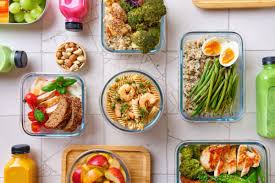
Meal Kits: The Future of Efficient Home Cooking
In 2026, meal kits have transformed from a luxury service into a practical solution for busy professionals and families. No longer just about “cooking a fancy dinner,” modern kits focus on nutritional precision, minimizing food waste, and hyper-convenience. With the average person spending 40% less time on grocery shopping than a decade ago, meal kits are the engine behind the “organized kitchen.”
The 2026 Shift: Customization and Specialized Diets
Most domestic health insurance plans (and Medicare) stop at the border. In 2026, international travelers are prioritizing high-limThe “one-size-fits-all” box is a thing of the past. Today’s services use AI-driven taste profiles to predict what you’ll enjoy, while catering to specific health requirements.
- Macro-Optimized Plans: Whether you are following a high-protein “muscle-building” plan, a strict ketogenic diet, or a medically supervised low-sodium regimen (vital for conditions like CKD or PAH), there is a kit tailored to your bio-data.
- Pre-Prepped “Fast” Kits: For those with zero time, “chopped and ready” kits reduce active cooking time to under 10 minutes. These include pre-sliced vegetables and pre-marinated proteins, leaving you with only the assembly.
- Functional Ingredients: Many 2026 kits now incorporate “superfoods” and adaptogens (like lion’s mane or turmeric) designed to support mental clarity and reduce the inflammation associated with conditions like Psoriatic Arthritis.
Economic and Environmental Efficiency
While the “per-meal” price might look higher than bulk grocery shopping, meal kits can actually save money by eliminating “hidden” costs.
- Zero Food Waste: The average household throws away 30% of its groceries. Meal kits provide exactly two sprigs of thyme or one tablespoon of balsamic glaze, ensuring you aren’t paying for ingredients that will rot in the back of the fridge.
- Curbing Impulse Buys: By staying out of the grocery store, you avoid the “eye-level” marketing that leads to unplanned purchases of snacks and processed foods.
- Eco-Friendly Packaging: In 2026, the industry has largely shifted to 100% compostable insulation and returnable “smart boxes,” significantly reducing the carbon footprint compared to traditional retail supply chains.
Skill Building and Culinary Confidence
For many, meal kits serve as a “cooking school in a box.” They bridge the gap between expensive takeout and the daunting task of starting a recipe from scratch.
- Technique Mastery: Recipes are designed to teach specific skills—like searing, reduction, or proper knife work—that you can eventually apply to your own independent cooking.
- Global Flavors: Kits offer an easy way to explore Mexican, Thai, or Mediterranean cuisines without buying $100 worth of exotic spices you might only use once.
- The “Shared Experience”: Cooking a meal kit has become a popular social activity for couples and families, turning a daily chore into a collaborative 20-minute creative project.
Final Thoughts
Meal kits are a tool for energy management. By outsourcing the mental load of “What’s for dinner?” and the physical labor of shopping and prepping, you free up mental bandwidth for higher-value activities—whether that’s a side hustle, exercise, or simply resting. In 2026, a meal kit isn’t just a box of food; it’s a subscription to an extra hour of free time every day.