
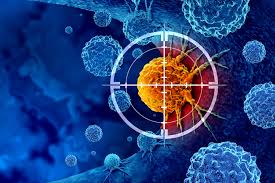
Navigating Cancer Care: A New Era of Hope and Precision
In 2026, a cancer diagnosis is increasingly met with a highly personalized and “smart” approach to treatment. With the 5-year survival rate for all cancers combined reaching a historic milestone of 70%, the focus has shifted from standard protocols to precision medicine that treats the specific biology of the tumor while supporting the whole person.
The Revolution of Immunotherapy and Targeted Treatment
Hot flashes, or vasomotor symptoms, occur when the brain’s temperature-regulating center—the hypothalamus—becomes Modern oncology has moved toward “biological hits” rather than broad-spectrum approaches. By training the body’s own immune system to recognize cancer or using drugs that target specific genetic mutations, doctors can often treat even advanced stages with higher precision and fewer systemic side effects.
- Immune Checkpoint Inhibitors: These drugs “unlock” the immune system, allowing it to see and attack cancer cells that were previously “hiding” in plain sight.
- CAR T-Cell Therapy: A process where a patient’s own T-cells are reprogrammed in a lab to become “super-soldiers” before being reinfused to target specific blood cancers and, increasingly, solid tumors.
- Targeted “Smart Missiles”: Using molecular profiling (NGS testing) to identify a tumor’s specific DNA signature, allowing for drugs that attack only the cancer cells while sparing healthy tissue.
Early Detection and “Liquid Biopsies”
The most powerful tool against cancer remains catching it early. In 2026, technology has made screening less invasive and more accurate, moving toward a future where a simple blood test can monitor for signs of cancer long before symptoms appear.
- Multi-Cancer Early Detection (MCED): These “liquid biopsies” analyze fragments of tumor DNA circulating in the bloodstream, offering a non-invasive way to screen for dozens of cancer types at once.
- AI-Enhanced Imaging: Artificial intelligence is now used to analyze mammograms and CT scans, catching micro-abnormalities that may be invisible to the human eye.
- Real-Time Monitoring: For those in remission, these blood tests allow doctors to monitor for recurrence in real-time, catching potential issues at the microscopic level.
Integrated Survivorship and “Food as Medicine”
As survival rates climb, the focus on “survivorship”—living well during and after treatment—has become a core pillar of care. This includes managing long-term side effects and using nutrition to boost the effectiveness of medical therapies.
- Microbiome-Powered Therapy: Emerging research shows that the “good bacteria” in your gut can influence how well treatments like immunotherapy work. Precision nutrition and “prescription meals” are becoming standard parts of the care plan.
- The Proactive Lifestyle: Consistent, low-impact exercise and anti-inflammatory diets are no longer just “extra” advice; they are clinical tools used to reduce the risk of recurrence and manage treatment-related fatigue
- Digital Health Support: Telehealth and remote monitoring apps now allow patients to stay connected with their multidisciplinary care team (oncologists, nutritionists, and therapists) from the comfort of home.
Final Thoughts
Every cancer journey is as unique as the DNA of the person it affects. In 2026, being an “active” patient means working with your team to ensure your treatment plan reflects the latest in genetic testing and supportive care. While the science is more complex than ever, the goal remains simple: to provide a pathway that offers the best possible chance for a long, high-quality life.