
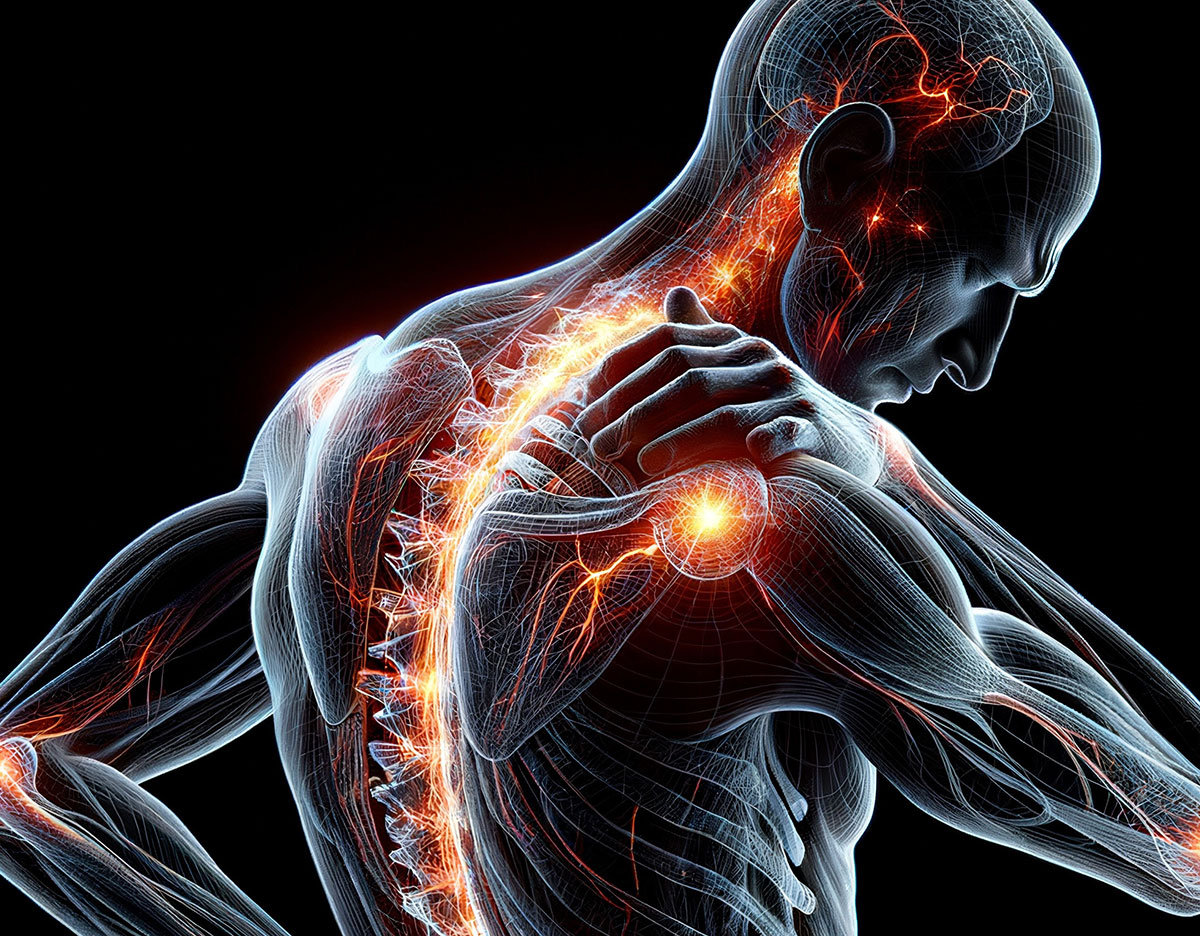
Managing Chronic Pain: Beyond the Physical Sensation
Chronic pain is defined as pain that lasts for three months or longer, persisting past the normal time for tissue healing. Unlike acute pain, which serves as a warning signal, chronic pain often becomes a condition in its own right, affecting the nervous system’s ability to process signals correctly.
Understanding Pain Sensitization
When pain becomes chronic, the nervous system can stay in a high-alert state. This is often referred to as “central sensitization,” where the brain and spinal cord become hyper-reactive to stimuli that wouldn’t normally be painful.
- The Alarm System Analogy: Think of chronic pain as a home security alarm that stays on even after the intruder has left; the system is functional, but the settings are too sensitive.
- Neuroplasticity: The brain can actually “learn” to be in pain. Treatment often involves “retraining” the brain to dampen these signals through movement and cognitive exercises.
- Inflammation Markers: Identifying systemic inflammation through diet and bloodwork can help manage the biological “fuel” that keeps pain signals firing.
Multimodal Treatment Strategies
Modern pain management moves away from relying on a single “magic bullet” medication. Instead, it uses a “multimodal” approach—combining different types of treatments to attack pain from multiple angles.
- Physical Therapy (PT): Focused on restoring function and mobility rather than just reducing pain. PT helps strengthen supporting muscles to take the pressure off sensitive joints.
- Pharmacological Support: Selective Serotonin Reuptake Inhibitors (SSRIs) and SNRIs are commonly used to stabilize brain chemistry, providing a “floor” so that lifestyle changes and therapy can be more effective.
- Interventional Procedures: Techniques such as nerve blocks, joint injections, or spinal cord stimulators can provide targeted relief for specific structural issues.
The Psychology of Pain Management
Because the brain processes both emotional and physical pain in similar regions (like the anterior cingulate cortex), managing stress and mental health is a vital component of physical recovery.
- Pacing and Energy Conservation: Learning the “boom and bust” cycle—where patients overexert on “good days” and crash the next—and replacing it with steady, moderated activity.
- Mindfulness and Breathwork: Deep diaphragmatic breathing can activate the parasympathetic nervous system, which naturally lowers the body’s “threat level” and reduces muscle guarding.
- Cognitive Behavioral Therapy for Pain (CBT-P): This helps patients change the way they perceive their pain, reducing the “catastrophizing” thoughts that can actually increase the physical intensity of a flare-up.
Final Thoughts
Recovery from depression and anxiety is rarely a straight line; it is a series of small, intentional choices. The goal isn’t to never fThe ultimate goal of chronic pain management isn’t always a “zero” on the pain scale, but rather the restoration of function and joy. By focusing on what you can do and employing a diverse toolkit of medical and lifestyle strategies, you can prevent pain from being the central focus of your life. Consistent, small improvements in movement and mindset often lead to the most significant long-term breakthroughs.