
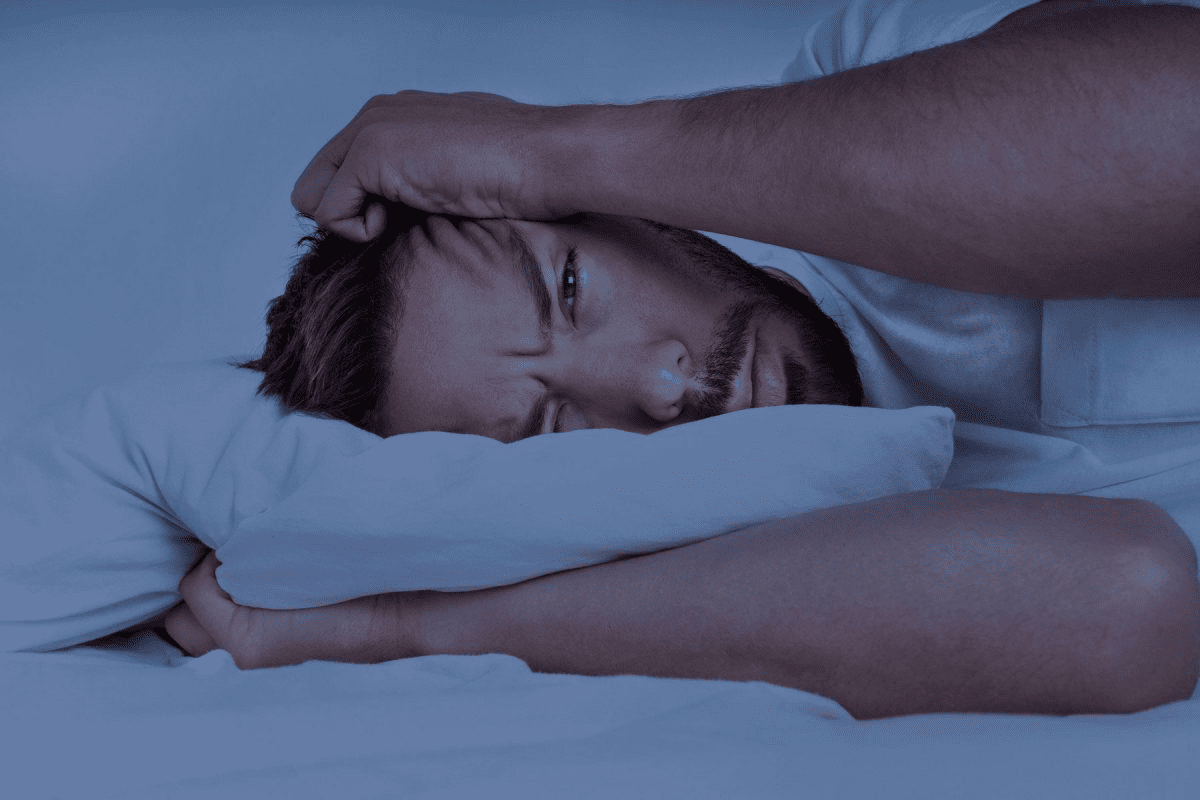
Restoring the Rhythm: Understanding and Treating Sleep Disorders
Sleep is not merely “down time” for the body; it is an active, essential neurological process. In 2026, we understand that sleep disorders—ranging from insomnia to sleep apnea—are often the root cause of metabolic, cardiovascular, and mental health challenges. Reclaiming your rest is one of the most powerful moves you can make for your longevity.
The Mechanics of the Circadian Rhythm
Your body operates on an internal 24-hour clock known as the circadian rhythm. This system coordinates everything from hormone release to body temperature. When this rhythm is “de-synced,” usually by blue light or irregular schedules, sleep quality plummets.
- The Melatonin Bridge: Melatonin is the hormone that signals to your brain that it is time to sleep. Disruptions like late-night screen use can delay this signal by hours.
- Adenosine Pressure: Throughout the day, a chemical called adenosine builds up in your brain, creating “sleep pressure.” Caffeine works by temporarily blocking these receptors, but the pressure remains, often leading to a “crash.”
- Temperature Regulation: For deep sleep to occur, your core body temperature must drop by about 2 to 3 degrees. This is why a cool room is clinically proven to help you fall asleep faster.
Identifying Common Sleep Disruptors
Sleep disorders are often “silent” because we are unconscious when they happen. Identifying the symptoms during your waking hours is the first step toward a diagnosis.
- Obstructive Sleep Apnea (OSA): This occurs when the airway collapses during sleep, causing “micro-awakenings” that prevent deep rest. Symptoms include loud snoring, morning headaches, and excessive daytime sleepiness.
- Restless Leg Syndrome (RLS): An irresistible urge to move the legs, often caused by a dopamine imbalance or iron deficiency, which typically worsens in the evening.
- Chronic Insomnia: Defined as difficulty falling or staying asleep at least three nights a week for three months. Modern treatment focuses on “Sleep Architecture”—improving the quality of the stages of sleep, not just the quantity.
Modern Solutions and “Sleep Hygiene”
As survival rates climb, the focus on “survivorship”—living well during and after treatment—has become a core pillar of care. In 2026, we have moved beyond simple sedative pills. The focus is now on behavioral retraining and smart technology to restore natural sleep patterns.
- CBT-I (Cognitive Behavioral Therapy for Insomnia): This is now the first-line clinical treatment for insomnia. It uses techniques like “stimulus control” and “sleep restriction” to retrain the brain to associate the bed with sleep, not wakefulness.
- Smart Wearables and AI Coaches: Modern rings and watches can now track your “Sleep Score” and provide AI-driven suggestions, such as adjusting your caffeine cutoff time based on your specific metabolism.
- Advanced Airway Support: For apnea sufferers, new “silent” CPAP machines and even implantable nerve stimulators offer alternatives to traditional, bulky masks.
Final Thoughts
In the past, “toughing it out” on little sleep was seen as a badge of honor. Today, we recognize sleep as a vital sign—just like blood pressure or heart rate. If you are consistently waking up feeling unrefreshed, it is time to look at sleep as a medical priority. Fixing your sleep doesn’t just make you less tired; it upgrades your immune system, your memory, and your emotional resilience.