
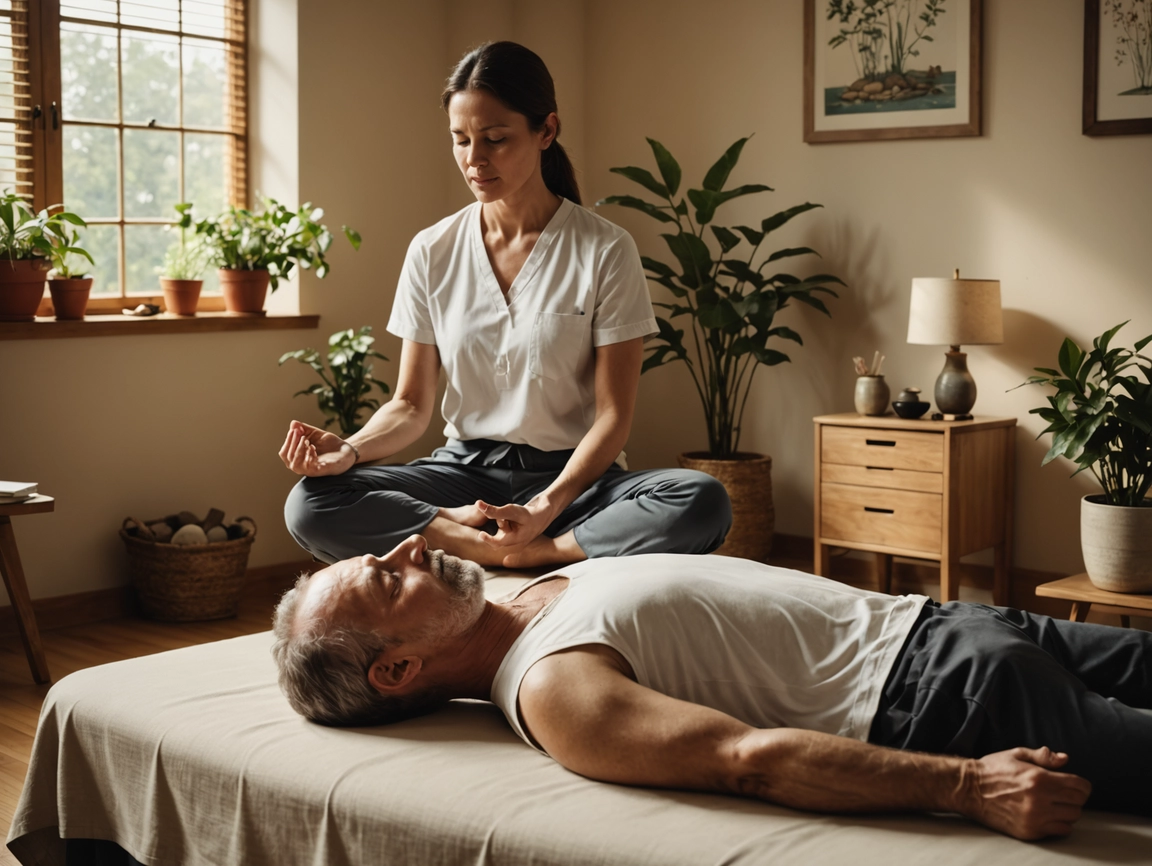
5 Alternative Health Practices to Boost Your Well-Being
Taking care of your body and mind often requires looking beyond conventional medicine. Alternative health practices encompass a wide range of therapies and treatments that focus on treating the whole person, rather than just isolated symptoms. With millions of people seeking more natural ways to manage stress, alleviate pain, and prevent illness, these methods have seen a massive surge in popularity.
If you are looking to build a more comprehensive routine for your holistic health, exploring these therapies can provide practical, effective relief. Here are five alternative health practices you can easily integrate into your lifestyle.
Acupuncture
Originating in traditional Chinese medicine, acupuncture involves inserting ultra-thin needles into specific points on the body. This practice is designed to balance the flow of energy, or “qi,” which is believed to run through pathways in your body.
Research shows that acupuncture is highly effective for managing chronic pain, particularly in the back, neck, and joints. It stimulates the central nervous system, prompting the release of natural pain-relieving chemicals. If you suffer from frequent tension headaches or chronic lower back pain, booking a few sessions with a licensed acupuncturist can offer significant relief. Always check that your practitioner is certified by a recognized national board to ensure a safe and hygienic experience.
Yoga
Yoga is much more than a physical workout; it is a comprehensive practice that ties breath control, meditation, and bodily postures together. Regular practice improves flexibility, builds muscle strength, and significantly lowers resting heart rates.
Beyond the physical perks, yoga is a powerful tool for mental health. Studies indicate that practicing yoga decreases the secretion of cortisol, the primary stress hormone. This makes it an excellent habit for improving sleep quality and reducing anxiety. To get started, try following a 15-minute beginner flow on YouTube right after you wake up. Starting your morning with gentle stretching sets a calm, focused tone for the rest of your day.
Chiropractic Care
Chiropractic care focuses on diagnosing and treating mechanical disorders of the musculoskeletal system, particularly the spine. Chiropractors use hands-on spinal manipulation to properly align the body’s musculoskeletal structure, allowing the body to heal itself without surgery or medication.
Proper alignment can improve mobility, reduce muscle tension, and alleviate pain caused by poor posture or repetitive stress injuries. If you spend hours hunched over a desk, a chiropractor can help correct the resulting structural imbalances. During your visit, ask your chiropractor to demonstrate specific ergonomic adjustments you can make at your workstation to prevent future discomfort.
Herbal Medicine
Herbal medicine utilizes plant-based substances to support health and treat various ailments. Long before synthetic drugs were manufactured, human beings relied on the medicinal properties of leaves, roots, and flowers.
Common herbs are easily accessible and highly effective for everyday issues. For example, ginger is scientifically proven to alleviate nausea, while chamomile acts as a mild tranquilizer to promote better sleep. You can easily incorporate these into your diet through teas or natural supplements. However, it is vital to remember that “natural” does not always mean harmless. Always consult with your primary care physician before adding new herbal supplements to your routine, especially if you take prescription medications.
Mindfulness Meditation
Mindfulness meditation involves sitting quietly and focusing your attention on the present moment, acknowledging your thoughts and sensations without judgment. It trains your brain to break away from negative thought loops and reactivity.
Extensive clinical data links regular mindfulness meditation to reduced symptoms of depression, enhanced focus, and lower blood pressure. It physically changes the brain, increasing the density of the hippocampus, which is responsible for learning and memory. You do not need to sit for an hour to see results. Start by setting a timer for just five minutes a day to sit quietly and focus solely on the rhythm of your breathing.
The Benefits of Integrating Alternative Practices
Embracing these alternative therapies provides a well-rounded approach to holistic health. Rather than waiting for illness to strike, these practices empower you to proactively manage your physical, mental, and emotional well-being. By combining traditional medical care with natural therapies, you build a resilient foundation for long-term health, leading to increased energy levels, reduced chronic pain, and a clearer, calmer mind.
Finding the right mix of health practices is a deeply personal process. Choose one or two of the methods listed above that resonate with your current health goals and start there. Consult with a certified health professional this week to discuss how you can safely integrate these practices into your daily routine.