
The Ultimate Guide to Home Security Systems in 2026
Choosing Between DIY and Professional Installation
The home security landscape in 2026 offers two primary pathways for homeowners: Do-It-Yourself (DIY) kits and professionally installed systems. Each approach serves different needs, budgets, and comfort levels with technology. DIY systems have evolved significantly over the last decade. Modern wireless sensors now use mesh networking to ensure reliable communication between devices without requiring a complex central hub or extensive wiring. These systems are typically sold as all-in-one packages that include a base station, motion detectors, door and window sensors, and an indoor siren. The primary advantage of DIY is cost-effectiveness and flexibility. You can expand your system incrementally as your needs change, avoiding large upfront installation fees. Furthermore, many modern DIY platforms offer user-friendly mobile applications that allow you to arm, disarm, and monitor your home from anywhere in the world.
Tip: Before purchasing a DIY kit, map out your entry points and high-value areas to determine exactly how many sensors you need, ensuring you do not overspend on unnecessary components or underserve critical zones.
The Evolution of Security Cameras and Video Doorbells
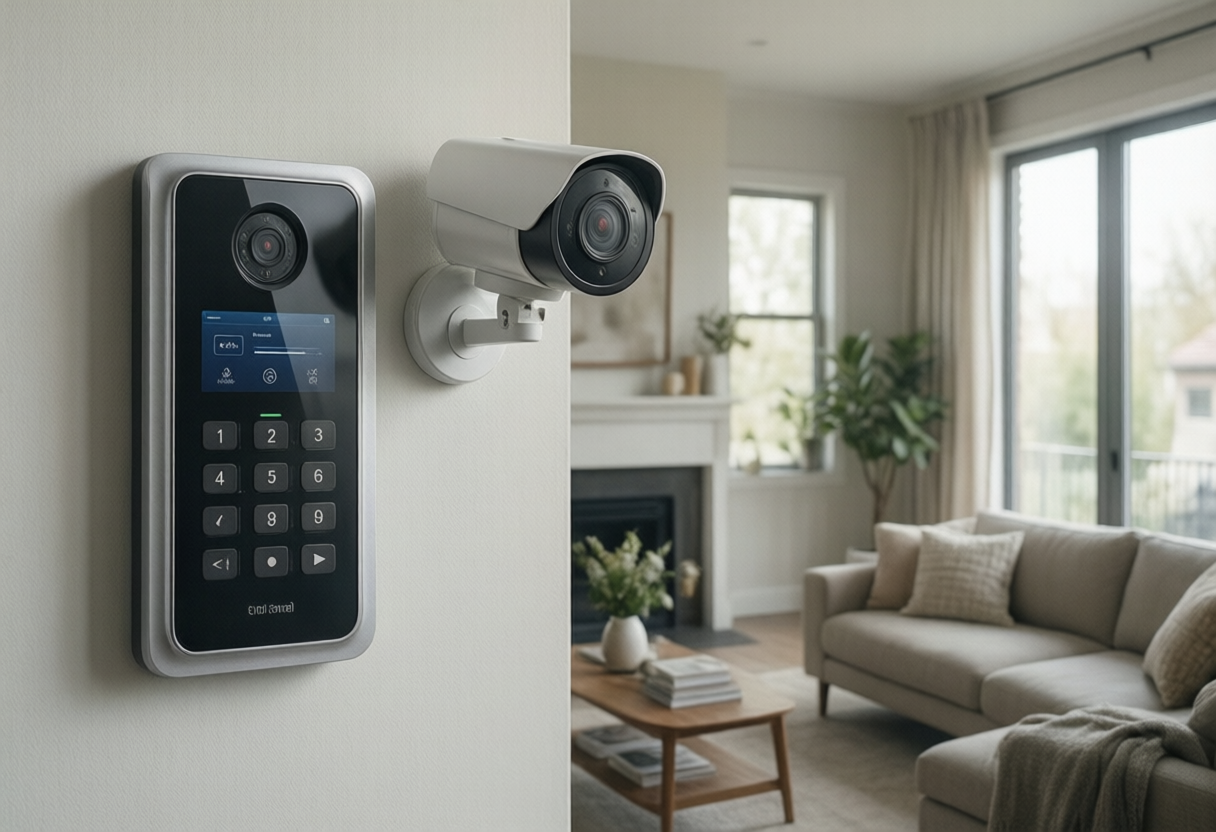
In 2026, visual monitoring has moved beyond simple recording to intelligent analysis. High-resolution security cameras now feature advanced artificial intelligence that can distinguish between a family member, a pet, a delivery driver, and a potential intruder. This reduces false alarms and ensures you only receive notifications for events that genuinely require your attention. Video doorbells have become central hubs of home interaction, integrating with intercom systems to allow you to speak with visitors even when you are away from home. Many models now include local storage options alongside cloud subscriptions, providing a redundant backup in case internet connectivity is interrupted.
The placement of these devices is just as important as their quality. Front-facing doorbells deter package theft and unauthorized entry, while outdoor cameras positioned at strategic angles cover driveways and side entrances. Look for features such as two-way audio, night vision with color capability, and weather resistance ratings suitable for your local climate. The integration between cameras and other smart home devices allows for automated responses; for example, if a camera detects motion after dark, it can automatically turn on exterior lights or alert your security panel.
Tip: Position your video doorbell so the lens is angled slightly downward to capture faces clearly while minimizing glare from direct sunlight during the day.
The Importance of Professional Monitoring and Smart Access
While self-monitoring via smartphone apps is convenient, professional monitoring provides a critical layer of safety. When an alarm is triggered, professional services verify the threat through audio or video confirmation before contacting local emergency responders. This verification process significantly reduces the likelihood of false dispatches while ensuring that help arrives quickly in genuine emergencies. In 2026, many monitoring services also offer medical and fire detection integration, providing a comprehensive safety net for households with elderly residents or young children.
Complementing external surveillance is the management of internal access through smart locks. These devices allow you to grant temporary digital keys to service providers, family members, or neighbors without handing over physical keys. They integrate seamlessly with your security system; when the front door unlocks, it can automatically disarm the alarm system and adjust indoor lighting settings. This automation enhances convenience while maintaining a tight security perimeter. Smart locks also provide detailed activity logs, allowing you to track who entered your home and at what time, adding an extra layer of accountability.
Tip: Create unique temporary access codes for different service providers and delete them immediately after their scheduled visit to maintain strict control over your home’s physical security.
Factors to Consider When Selecting Your System
Selecting the right home security system in 2026 requires balancing cost, features, and long-term reliability. Start by assessing your specific risks. If you live in an area with high package theft rates, prioritize a robust video doorbell and outdoor camera coverage. If you travel frequently, focus on systems with strong remote management capabilities and reliable cellular backup connections that keep the system online even if your home internet goes down. Consider the total cost of ownership, which includes monthly monitoring fees, cloud storage subscriptions, and potential equipment replacement costs.
Interoperability is another key factor. Ensure that your chosen security platform integrates with other smart home ecosystems you may already use, such as voice assistants or smart lighting systems. A unified ecosystem simplifies user experience and allows for more sophisticated automation scenarios. Finally, read recent reviews from users in your region to understand how well the system performs under local conditions. A system that works flawlessly in one climate may struggle with extreme heat or cold in another.
Tip: Verify that your chosen provider offers a cellular backup connection for $20 or less per month, ensuring your security system remains active even during power outages or internet service disruptions.