
The Ultimate Guide to Smart Home Automation in 2026
Defining the Modern Smart Home Landscape
The concept of the “smart home” has evolved significantly over the last decade, moving from isolated gadgets to integrated ecosystems that work together seamlessly. In 2026, a smart home is no longer just about controlling lights with an app; it is a connected network of devices that communicate, learn user preferences, and adapt to daily routines automatically. This integration allows for enhanced energy efficiency, improved security, and greater convenience without requiring constant manual input. The modern definition emphasizes interoperability, meaning devices from different manufacturers can talk to each other using standardized protocols rather than proprietary silos. As technology advances, the focus shifts toward ambient intelligence, where systems anticipate needs based on time of day, occupancy sensors, and environmental data. This guide explores how these components fit together to create a responsive living environment that enhances quality of life while reducing operational complexity for homeowners.
Tip: Before purchasing new devices, audit your current technology stack to identify gaps in connectivity or redundancy, ensuring you build a foundation rather than just adding features.
Navigating Hubs and Ecosystems: Matter and Thread
The backbone of any reliable smart home setup is the hub, which acts as the central brain connecting all your devices. In 2026, the industry has largely coalesced around two key standards: Matter and Thread. Matter is a universal connectivity standard that simplifies device compatibility across major platforms like Apple HomeKit, Amazon Alexa, Google Home, and Samsung SmartThings. By adopting Matter, manufacturers ensure that their products work out of the box regardless of the brand you choose for your hub or app. Underpinning this communication is Thread, a low-power mesh networking protocol designed specifically for smart home devices. Unlike Wi-Fi, which can become congested in large homes with many connected gadgets, Thread creates its own efficient network layer that extends coverage through every device on the grid. This results in faster response times and greater reliability, as each device acts as a relay point for others. Choosing a hub that supports both Matter and Thread ensures future-proofing, allowing you to add new devices without worrying about compatibility issues or complex setup procedures.
Tip: Select a central hub that explicitly lists support for both Matter and Thread to maximize your network’s resilience and simplify long-term device integration.
Automating Lighting and Climate Control
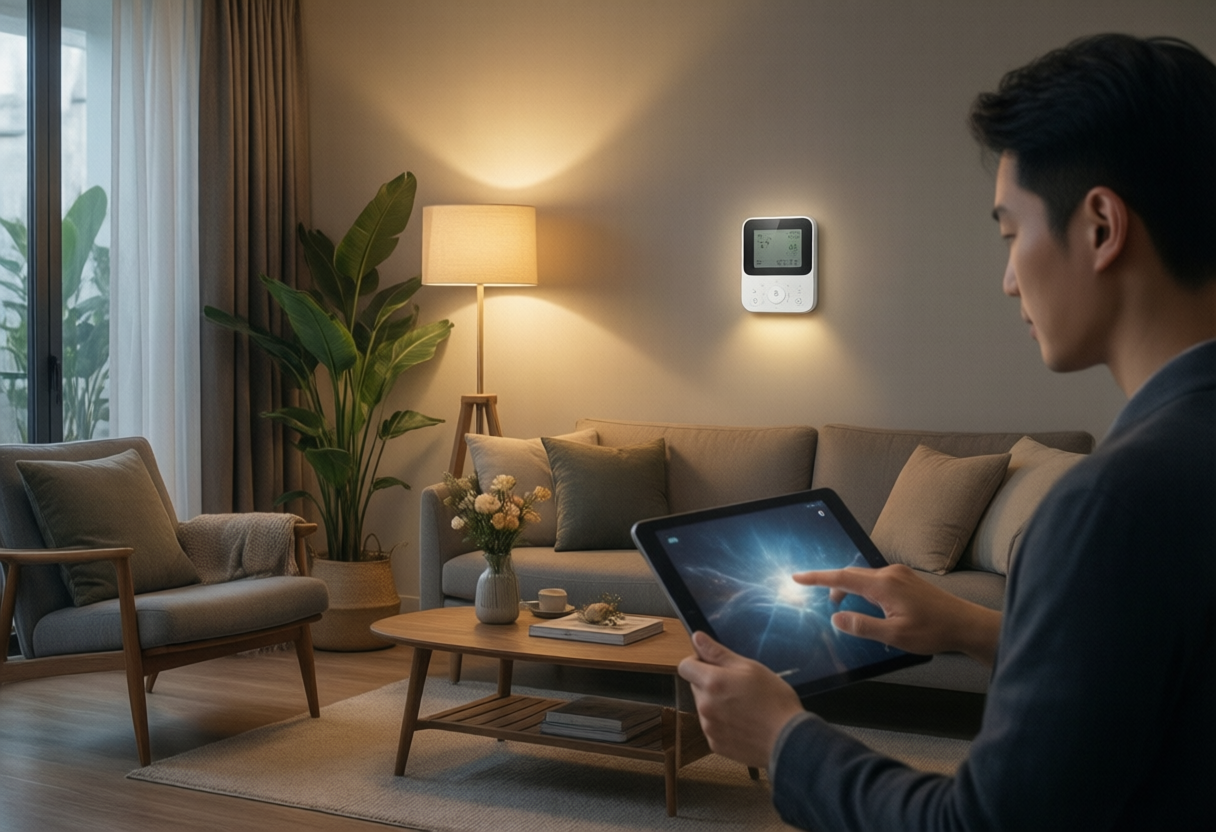
Lighting and climate are the two most impactful areas where automation provides immediate value. Smart lighting systems go beyond simple on/off switches; they allow for dynamic scene creation that adjusts color temperature and brightness based on circadian rhythms or specific activities. For example, lights can mimic natural sunlight in the morning to boost alertness and shift to warmer tones in the evening to promote relaxation. These adjustments can be triggered by time schedules, sunset detection, or motion sensors, eliminating the need for manual interaction. Similarly, smart thermostats have become highly sophisticated, learning household patterns to optimize heating and cooling cycles. They integrate with weather forecasts to pre-condition your home before you arrive and reduce energy consumption when the house is empty. By linking climate control with window sensors and occupancy detectors, the system can prevent wasted energy by adjusting settings only when necessary. This synergy between lighting and temperature creates a comfortable environment that feels personalized yet requires minimal user effort.
Tip: Start with a single room to test automation routines for lighting and climate, refining triggers and schedules before expanding the setup to the entire house.
Leveraging Smart Plugs, Voice Assistants, and Getting Started
Smart plugs serve as an entry point for automating non-smart devices, such as lamps, fans, or appliances. These affordable tools allow you to schedule power delivery or trigger actions based on other events, like turning off a coffee maker when the alarm goes off. While simple, they are essential for creating granular control over energy usage and routine management. Voice assistants remain the primary interface for many users, offering hands-free control through natural language commands. In 2026, these assistants have become more context-aware, understanding which room you are in to execute specific commands without needing to specify a device name. Getting started with smart home automation does not require a massive upfront investment or technical expertise. Begin by identifying your top three pain points or desired conveniences, such as automating lights at dusk or monitoring remote access. Purchase compatible devices that support Matter standards, install them following manufacturer instructions, and configure basic routines in your preferred hub app. As you become comfortable with the system, gradually expand by adding sensors, cameras, or advanced controls to build a comprehensive ecosystem that grows with your needs.
Tip: Create “scenes” rather than individual device commands to streamline control, allowing one voice command or button press to adjust multiple devices simultaneously for consistent results.