
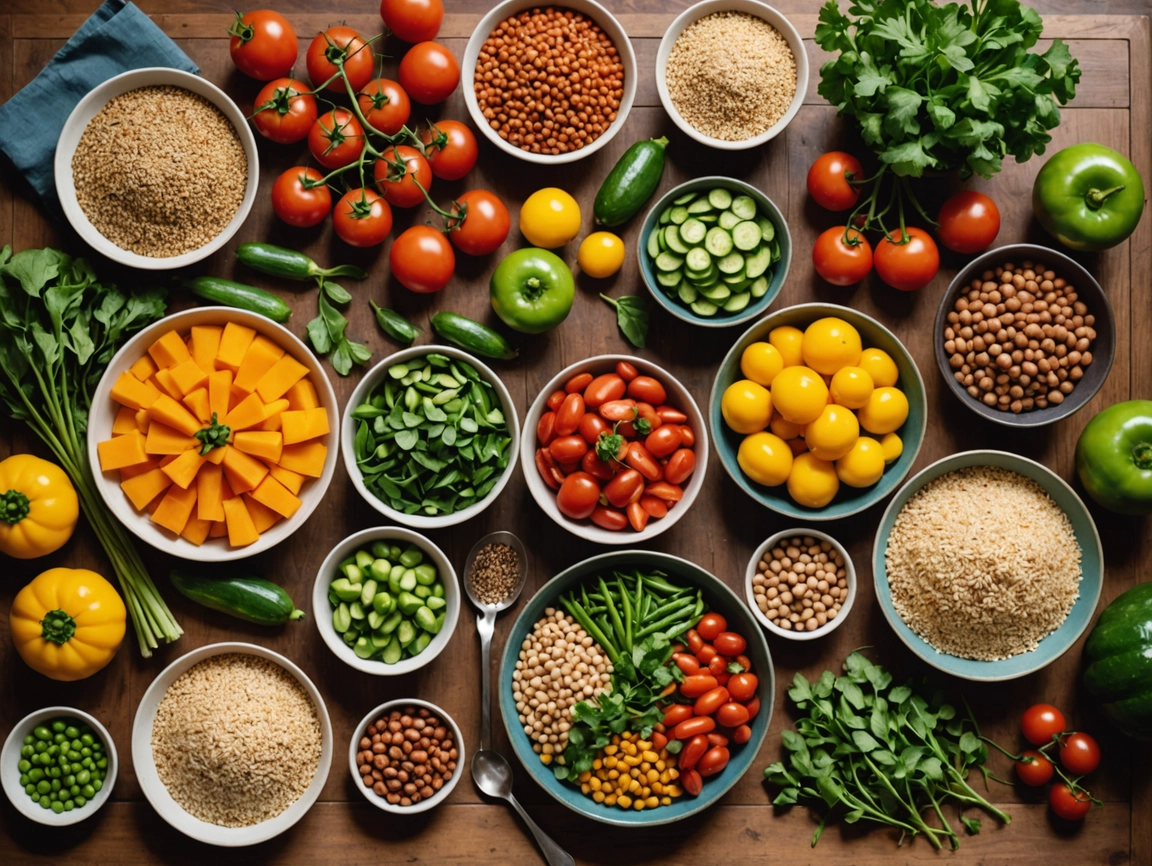
The Ultimate Guide to Starting a Plant-Based Diet
If you’re like many people, you’ve probably noticed the sudden explosion of plant-based options at your local grocery store and favorite restaurants. Shifting toward a plant-based diet is no longer just a niche trend; it is a proven lifestyle choice that can drastically improve your overall well-being. By reading this guide, you will gain a clear understanding of the health and environmental perks of eating more plants, along with practical, actionable steps to seamlessly integrate these habits into your daily routine.
Introduction to Plant-Based Eating
At its core, a plant-based diet focuses on foods derived directly from plants. This includes vegetables, whole grains, nuts, seeds, legumes, and fruits, with few or no animal products. You don’t necessarily have to become a strict vegan overnight to reap the benefits. Many people adopt a “flexitarian” approach, making plants the star of their plate while occasionally enjoying meat or dairy. The goal is simple: maximize your intake of nutrient-dense, whole foods while minimizing highly processed items.
Health Benefits of a Plant-Based Diet
Swapping out heavy meats for plant-centric meals can do wonders for your body. Research indicates that individuals who follow a predominantly plant-based diet have a much lower risk of developing cardiovascular disease. In fact, studies have shown that plant-based eating can reduce the risk of heart disease by up to 40%. Additionally, these diets are naturally high in dietary fiber, which promotes healthy digestion and can aid in maintaining a healthy weight.
Environmental Impact of Plant-Based Diets
What is good for your body also happens to be great for the planet. The agricultural processes required to produce meat and dairy use significantly more water and land than harvesting plants. A report by the United Nations highlighted that shifting toward plant-based diets is one of the most effective ways to reduce greenhouse gas emissions. By swapping just one beef-based meal a week for a plant-based alternative, you actively reduce your personal carbon footprint and help conserve vital water resources.
Essential Plant-Based Nutrients and Sources
A common worry when ditching meat is missing out on essential nutrients, but the plant kingdom is incredibly abundant.
- Protein: Look to lentils, chickpeas, quinoa, and tofu.
- Iron: Spinach, beans, and fortified cereals are excellent sources. Tip: Pair iron-rich foods with Vitamin C (like squeezing lemon juice over a spinach salad) to boost absorption.
- Calcium: Opt for fortified plant milks, almonds, and leafy greens like kale.
- Vitamin B12: Since B12 is primarily found in animal products, it is highly recommended to take a B12 supplement or regularly consume fortified foods like nutritional yeast.
Tips for Starting a Plant-Based Diet
Jumping in completely cold turkey can be overwhelming. Instead, take a gradual approach. Start by adopting “Meatless Mondays” to experiment with plant-based cooking without the pressure of a full-time commitment. Another easy tactic is the “crowding out” method: rather than eliminating foods, simply add a large portion of vegetables or a side salad to every meal you eat. Eventually, the plants will naturally crowd out the meat on your plate.
Delicious Plant-Based Recipes to Try
Eating plants doesn’t mean eating boring salads every day. You can easily recreate hearty, comforting meals using purely plant-based ingredients. Try making a rich lentil shepherd’s pie using a mix of brown lentils, carrots, and peas topped with creamy, dairy-free mashed potatoes. Alternatively, simmer chickpeas and diced sweet potatoes in coconut milk and curry paste for a highly flavorful, 30-minute weeknight dinner.
Addressing Common Concerns about Plant-Based Eating
“Will I be hungry all the time?” This is a frequent question from newcomers. The answer is a resounding no, provided you are eating properly. Plant foods are packed with fiber, which digests slowly and keeps you feeling full longer. If you find yourself hungry, you likely aren’t eating enough complex carbohydrates or healthy fats. Add a handful of walnuts or a scoop of avocado to your meals to ensure they are satiating and energy-dense.
Plant-Based Eating on a Budget
There is a misconception that eating a plant-based diet is expensive, usually because people look at the prices of premium meat substitutes. However, the foundational ingredients of a plant-based diet are actually some of the cheapest items in the grocery store. Buying dried beans, rice, oats, and seasonal produce in bulk can drastically reduce your grocery bill. Frozen vegetables are also picked at peak ripeness and cost a fraction of the price of fresh out-of-season produce.
The Future of Plant-Based Diets
The landscape of food technology is evolving rapidly. We are seeing incredible innovations, from hyper-realistic plant-based burgers that mimic the texture of beef to precision fermentation techniques creating real dairy proteins without the cow. As fast-food chains continue to roll out plant-based menus and supermarkets expand their vegan aisles, choosing plants will only become more accessible, affordable, and delicious in the coming years.
Conclusion and Next Steps
Transitioning to a plant-based diet is a powerful step toward better health and a more sustainable world. You now have the knowledge of which nutrients to target, how to shop on a budget, and the reassurance that your meals will be flavorful and filling. Take a look at your grocery list for this week, pick one of your favorite classic dinners, and swap out the meat for a plant-based alternative like lentils or beans.