
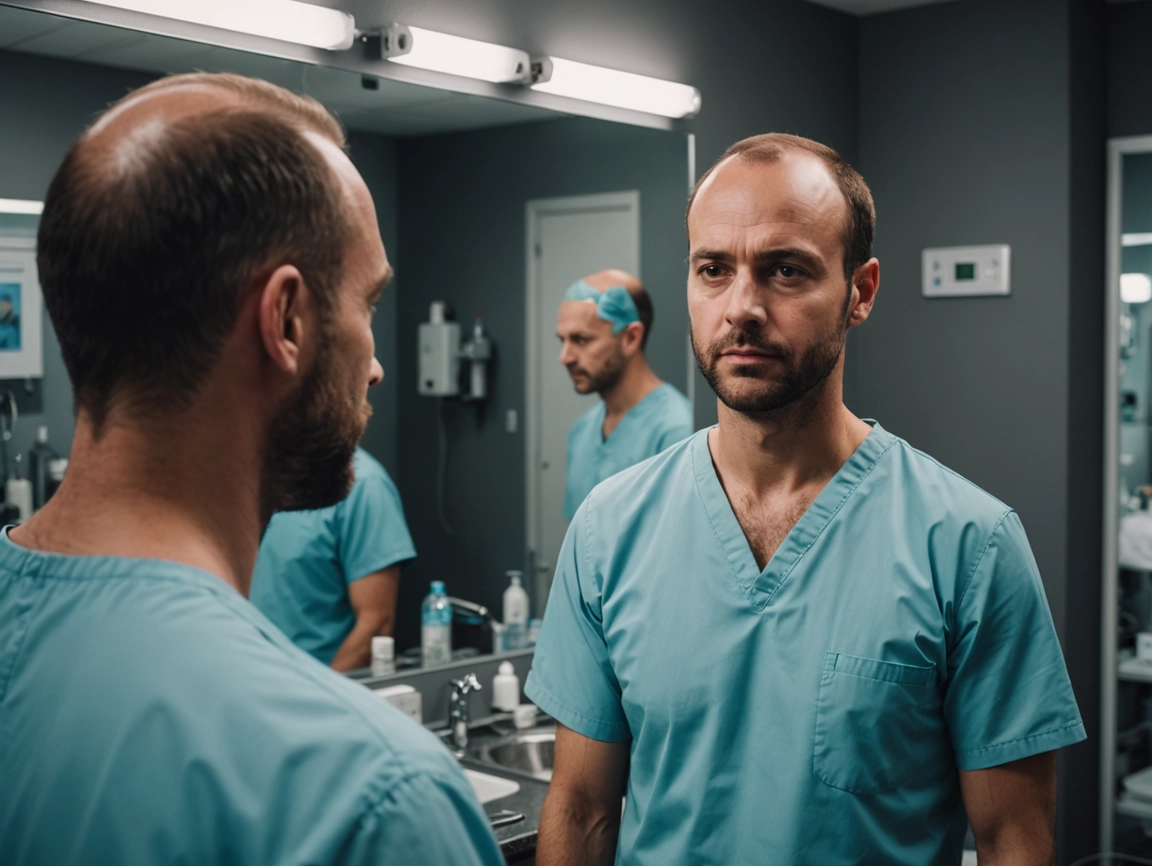
The Ultimate Guide to Finding the Best Hair Transplant Method for You
If you’re like millions of other people dealing with hair loss, you know how frustrating it can be to navigate the sea of available treatments. A sophisticated new wave of medical advancements has completely changed the hair restoration industry, making natural-looking results more achievable than ever before. But with so many options, how do you know which approach is right for your unique situation?
Choosing the right procedure goes far beyond picking the first clinic you see on social media. In this guide, we will break down exactly how to find the best hair transplant method for your needs. You will learn how to differentiate between surgical techniques, evaluate medical professionals, and make an informed decision that ensures your safety and satisfaction.
1. Researching Different Techniques: FUE vs. FUT
The first step in your research is understanding the two primary methods of hair transplantation: Follicular Unit Extraction (FUE) and Follicular Unit Transplantation (FUT).
FUE involves extracting individual hair follicles from a donor area (usually the back of the head) and implanting them into the thinning areas. It leaves tiny, dot-like scars that are virtually undetectable, making it ideal for people who like to wear their hair short. FUT, on the other hand, involves removing a thin strip of scalp from the donor area to harvest follicles. While it leaves a linear scar, it often yields a higher number of grafts in a single session, which can be beneficial for advanced hair loss. According to the American Academy of Dermatology, both methods are highly effective, but the right choice depends on your hair density, scalp laxity, and lifestyle.
Pro Tip: If you lead an active lifestyle or prefer short haircuts, lean toward FUE. If you need maximum coverage in one go and wear your hair a bit longer, ask your doctor if FUT is a better fit.
2. Evaluating Clinic Credentials and Surgeon Expertise
The technology behind hair transplants is impressive, but the tools are only as good as the hands wielding them. A common mistake is prioritizing a clinic’s sleek marketing over the actual surgeon’s medical credentials.
To ensure safety and E-E-A-T (Expertise and Authoritativeness), you must verify that your surgeon is board-certified and specifically specializes in hair restoration. Look for active memberships in reputable organizations like the International Society of Hair Restoration Surgery (ISHRS). An experienced surgeon doesn’t just harvest hair; they understand the artistry of designing a natural hairline that ages well with your facial structure.
Pro Tip: Always confirm who will actually be performing the surgery. In some high-volume clinics, technicians perform the bulk of the procedure rather than the actual doctor. Insist on a physician-led surgery.
3. Understanding Success Rates and Patient Reviews
When it comes to cosmetic procedures, patient reviews and success rates are your window into a clinic’s true reliability. However, hair transplants take time to show final results—usually 12 to 18 months.
When browsing independent review sites like RealSelf, look specifically for patients who have posted long-term updates rather than just immediate post-op photos. Pay attention to reviews from patients who share your specific hair characteristics, such as hair caliber, curl pattern, and extent of hair loss. This will give you a much more realistic expectation of what that clinic can achieve for you.
Pro Tip: Look for patterns in negative reviews. Occasional poor growth can happen to any surgeon, but consistent complaints about unnatural hairlines, poor communication, or donor area depletion are massive red flags.
4. Considering Cost and Location
It is no secret that hair transplants can be a significant financial investment, often ranging from $4,000 to $15,000 in the United States. This has led to a boom in “medical tourism,” with patients traveling to countries like Turkey or Mexico for more affordable packages.
While going abroad can save you money, it introduces new variables. You must factor in travel costs, the stress of recovering on a long flight, and the logistics of follow-up care if complications arise. Domestic clinics offer the distinct advantage of accessible in-person consultations and easier post-operative support.
Pro Tip: Never choose a clinic based solely on price. A botched, “cheap” hair transplant will end up costing you significantly more to repair—if it can be repaired at all. Focus on value, safety, and proven results over a bargain.
5. Preparing for Consultations
The consultation is your opportunity to interview the surgeon. A trustworthy doctor will give you an honest assessment of what can be achieved, tell you exactly how many grafts you need, and warn you about potential future hair loss.
Come prepared with a list of questions. Ask about the extraction and implantation tools they use, their protocol for medical management (like Finasteride or Minoxidil) to prevent further loss, and what their policy is if the grafts fail to grow.
Pro Tip: Ask the doctor to show you at least five before-and-after portfolios of patients who had similar hair loss patterns and hair types to yours.
Secure Your Confidence
Finding the best hair transplant method doesn’t have to be a guessing game. By understanding the differences between FUE and FUT, vetting your surgeon’s credentials, and asking the right questions during your consultation, you are taking control of your hair restoration journey. If you’re ready to take the next step toward regaining your hair and your confidence, reach out to an ISHRS-certified doctor today to schedule a comprehensive scalp evaluation.